
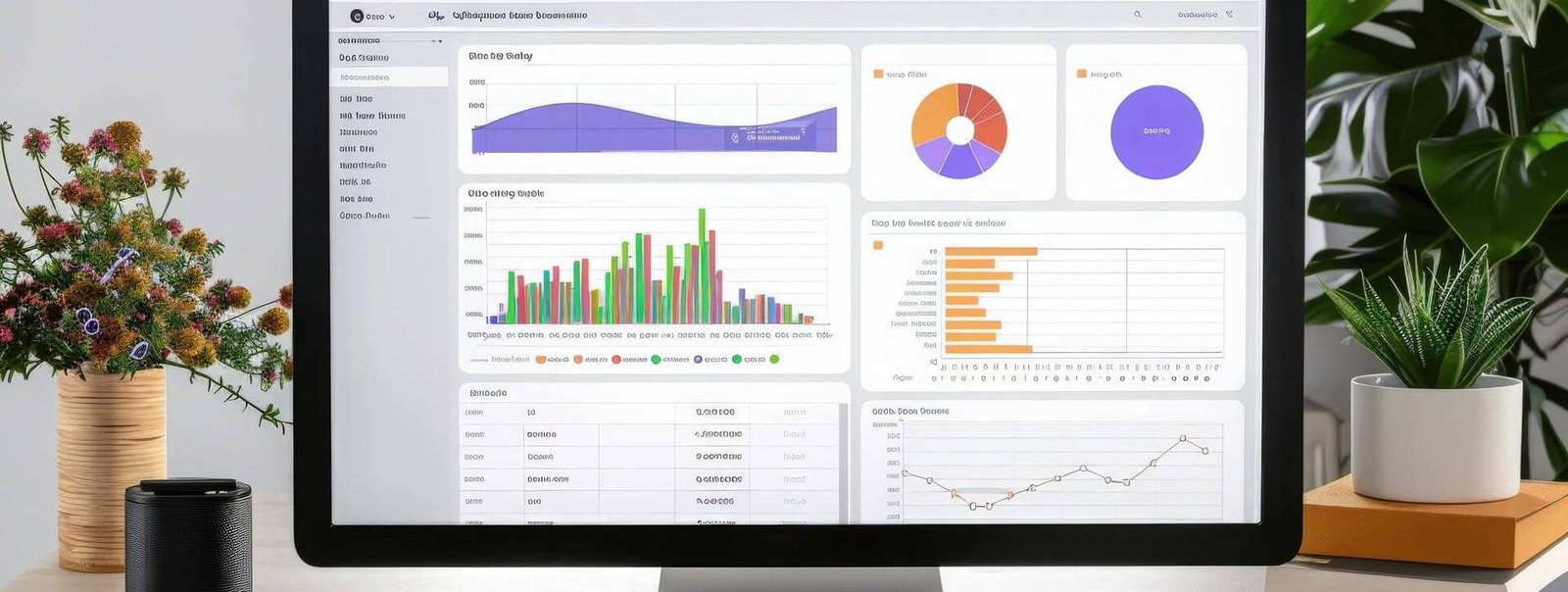
Analytics, tracking, and reporting help businesses understand how their website is actually being used. Rather than relying on assumptions, analytics provide real data about visitor behaviour, performance, and outcomes.
For business websites, this insight is essential for making informed decisions and improving results over time.
What Are Analytics and Tracking?
Analytics and tracking refer to the collection and analysis of data about how visitors interact with a website. This can include information such as:
- How many people visit the site
- Where visitors come from
- Which pages they view
- How long they stay
- What actions they take
Tracking turns website activity into measurable insights, helping businesses understand what’s working and what isn’t.
Why Analytics Matter for Businesses
Without analytics, it’s difficult to know whether a website is performing effectively.
Analytics help answer practical questions such as:
- Are visitors finding the right information?
- Which pages attract the most interest?
- Are enquiries or conversions increasing?
- Where are users dropping off?
This information allows businesses to move from guesswork to informed decision-making.
Understanding Visitor Behaviour
One of the biggest benefits of analytics is insight into visitor behaviour.
By analysing how users navigate a website, it becomes easier to identify:
- Confusing layouts
- Pages that don’t engage users
- Content that performs well
- Opportunities to improve clarity
These insights support better user experience and more effective design decisions.
Tracking Conversions and Goals
For most business websites, success isn’t just about traffic — it’s about actions.
Analytics can track key actions such as:
- Contact form submissions
- Phone clicks
- Email enquiries
- Booking requests
Tracking these actions helps measure how well a website supports business goals and where improvements can be made.
How Analytics Support SEO and PPC
Analytics play an important role in both SEO and PPC strategies.
For SEO, analytics help identify:
- Which pages attract organic traffic
- Which keywords and content perform best
- How users behave after arriving from search
For PPC, analytics help measure:
- Campaign performance
- Conversion rates
- Cost effectiveness
This data allows strategies to be refined and budgets used more efficiently.
Reporting and Ongoing Improvement
Reporting turns raw data into clear, understandable insights.
Regular reporting helps businesses:
- Monitor trends over time
- Identify opportunities for improvement
- Make informed updates to design or content
- Measure the impact of marketing activity
The focus is not on overwhelming data, but on clear, relevant information that supports better decisions.
Analytics as Part of a Broader Website Strategy
Analytics work best when considered alongside:
- Web design
- Content creation
- Local SEO
- PPC advertising
- Ongoing website maintenance
Together, these elements create a website that can be measured, refined, and improved over time.
Final Thoughts
Analytics, tracking, and reporting provide clarity. They help businesses understand how their website is performing, how visitors are interacting with it, and where improvements can be made.
With the right insights, a website becomes more than an online presence — it becomes a measurable, adaptable tool that supports long-term business growth.

0 Comments